
Advanced Digital Marketing Professional Program
Master data-driven digital marketing strategies using industry-standard tools, real-world campaigns, and hands-on capstone projects.
Professional Certification
Upon successful completion, you will receive an industry-recognized credential.
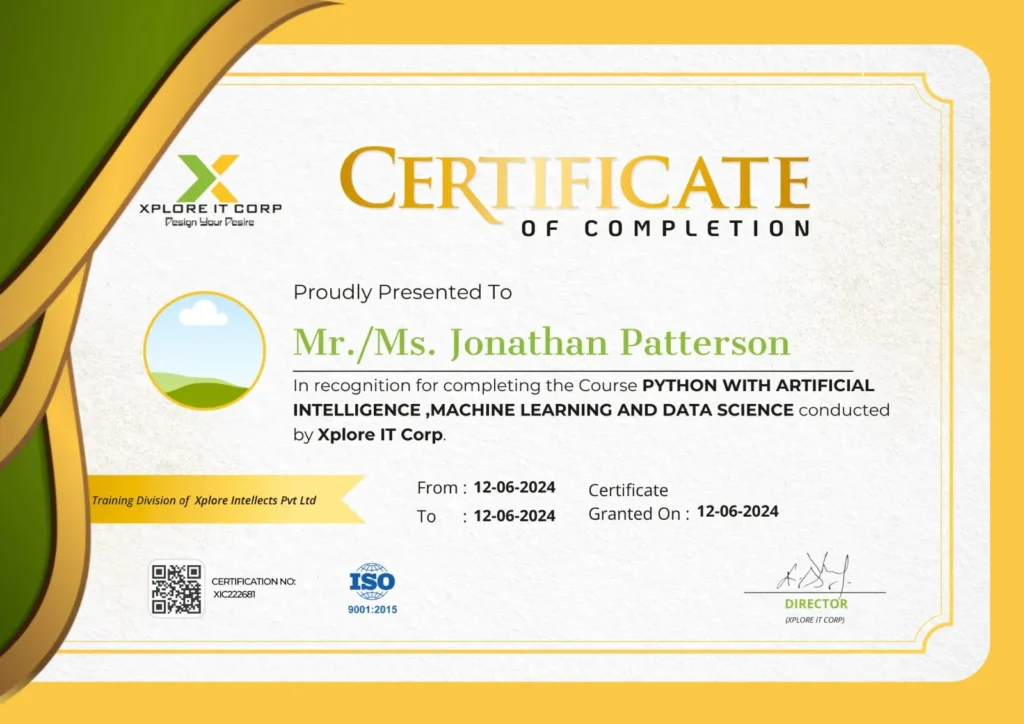
Industry-Validated Certification
Accredited by the Global Data Science Alliance and recognized by top tech employers worldwide.
Digital Verification
Includes a unique blockchain-verified ID that can be added directly to your LinkedIn profile.
Completion Criteria
Awarded upon submission of all 5 capstone milestones and passing the final technical assessment.

Satheesh Chandran KR
ENTREPRENEUR | EDUCATIONALIST | DIGITAL MARKETING XPERT
With a strong background in digital marketing and years of hands-on industry experience, Satheesh Chandran brings a practical, results-driven approach to digital marketing training. He simplifies complex marketing concepts into industry-ready, job-oriented skills.
Focused on converting advanced digital marketing strategies into job-ready expertise.
200+
Batches Trained
50+
Industry-Relevant Projects Delivered
10,000+
Students Mentored
15+ years
experience in IT & Digital Marketing







Course Syllabus
A comprehensive 12-week journey from basics to professional mastery.
Introduction to Digital Marketing:
- Definition and evolution of digital marketing.
- Key components and channels of digital marketing (overview).
- Traditional vs. Digital Marketing: Similarities and Differences.
- Understanding the Digital Marketing Funnel (Awareness,
- Consideration, Conversion, Loyalty, Advocacy).
- Setting clear marketing objectives (SMART goals).
- The importance of a website in digital marketing.
- Basic concepts of website structure and user experience (UX).
- Introduction to Content Management Systems (CMS) like
WordPress. - Understanding domain names and web hosting.
- Principles of responsive web design for mobile devices.
Keyword Research:
- Understanding the role of keywords in attracting target audiences.
- Types of keywords: short-tail, long-tail, LSI keywords.
- Identifying user search intent (informational, navigational,
transactional, commercial). - Utilizing keyword research tools (e.g., Google Keyword Planner,
Ahrefs, SEMrush). - Analyzing keyword difficulty and search volume.
- Optimizing content for target keywords.
- Crafting effective title tags and meta descriptions.
- Proper use of heading tags (, etc.).
- Image optimization (alt text, file size, format).
- Internal linking strategies for improved navigation and SEO.
- Content readability and user engagement factors.
- How search engines crawl and index websites.
- Website speed optimization techniques.
- Creating and submitting XML Sitemaps and Robots.txt files.
- Implementing Schema Markup for rich snippets.
- Identifying and resolving crawl errors and broken links.
- Understanding HTTPS and site security.
- Building domain authority and trust through backlinks.
- Understanding different types of backlinks and their value.
- Effective link-building strategies (e.g., guest posting, broken link
building, outreach). - Online reputation management and brand mentions.
Google Search Console
- Setting up and verifying website ownership.
- Monitoring search performance: impressions, clicks, ClickThrough Rate (CTR).
- Identifying indexing issues and URL errors.
- Understanding Core Web Vitals reports.
- Submitting sitemaps and requesting indexing.
- Introduction to Google Analytics 4 (GA4) and its interface.
- Understanding key metrics: users, sessions, engagement rate,
conversions. - Analyzing audience demographics and behavior.
- Tracking traffic sources and campaign performance.
- Creating custom reports and dashboards for insights.
- Introduction to GTM: What it is and why it’s used.
- Setting up containers, tags, triggers, and variables.
- Implementing tracking codes (e.g., GA4, Google Ads conversion
tracking) without direct code editing. - Advanced event tracking (button clicks, form submissions,
video engagement).
- Pixel limitations in the privacy era
- iOS updates & cookie restrictions
- Why server-side tracking is the future
- What Conversion API is & how it works
- Browser vs server events explained
- Data flow architecture
- Setup via GTM server container
- Setup via partner integrations
- Manual event configuration
- Event matching & deduplication
- Improving attribution accuracy
- Using CAPI data for optimization
Google Ads / SEM (Search Engine Marketing)
- Introduction to Google Ads platform and ad auction.
- Setting up Search Campaigns: keyword matching, ad groups, ad
copy creation. - Understanding Quality Score, Ad Rank, and bidding strategies.
- Introduction to Display Network, Video Ads (YouTube), and
Shopping Ads. - Campaign optimization and performance monitoring.
- Understanding Reddit communities & culture
- Subreddits, Karma, moderation rules
- Organic vs paid Reddit strategy
- Ad account setup & campaign structure
- Targeting by subreddit, interests & keywords
- Audience research techniques
- Writing native-style ads that don’t look like ads
- Hook psychology for Reddit users
- Image vs text vs conversation ads
- Bidding models & budgeting
- A/B testing frameworks
- Conversion tracking setup
- Why Quora traffic converts differently
- Question targeting vs interest targeting
- Identifying high-buying-intent topics
- Campaign types & objectives
- Pixel setup & event tracking
- Lead generation vs website conversion strategy
- Writing answer-style ads
- Authority positioning techniques
- Funnel-based ad sequencing
- Cost control strategies
- Retargeting methods
- Scaling winning topics
- Programmatic Advertising:
Understanding the programmatic ecosystem (DSPs, SSPs,
Ad Exchanges).
Real-time bidding (RTB) and audience targeting.
Benefits and challenges of programmatic advertising. - Affiliate Marketing:
Introduction to affiliate marketing models.
Roles of merchants, affiliates, and networks.
Strategies for effective affiliate campaigns
Social Media Marketing:
- Developing a comprehensive social media strategy.
- Platform-specific strategies (Facebook, Instagram, LinkedIn,
X/Twitter, etc.). - Content creation for social media: text, images, video.
- Social media advertising: targeting, ad formats, budgeting.
- Community management and engagement.
- Creating and optimizing a YouTube channel for discoverability.
- Video keyword research and content strategy.
- Optimizing video titles, descriptions, tags, and thumbnails.
- Understanding YouTube Analytics for performance tracking
- Setting up and verifying a Google Business Profile.
- Optimizing profile information for local search.
- Managing customer reviews and Q&A.
- Utilizing Google Posts, products, and services features.
- Strategies for ranking in the local pack.
Prompt Engineering:
- Introduction to AI and Large Language Models (LLMs) in
marketing. - Principles of effective prompt writing for content generation.
- Using AI for ideation, copywriting, and content repurposing.
- Ethical considerations and limitations of AI in content
creation. - Using AI for ideation, copywriting, and content repurposing.
- Ethical considerations and limitations of AI in content
creation.
- Building and segmenting email lists.
- Designing effective email campaigns (newsletters,
promotions, automation). - Crafting compelling subject lines and email copy.
- Analyzing email marketing metrics: open rates, click-through
rates, conversion rates. - Introduction to email marketing platforms.
- Understanding global search markets and cultural nuances.
- Implementing Hreflang tags for multilingual and multiregional websites.
- Choosing appropriate domain strategies (ccTLDs,
subdomains, subdirectories). - Localizing content and user experience for international
audiences.
- Introduction to visual content creation for digital marketing.
- Mastering Canva’s interface and features.
- Creating branded social media graphics, ad creatives, and
presentations. - Designing infographics, flyers, and other marketing
collateral. - Best practices for visual communication and brand
consistency