Python Full Stack Course in Coimbatore
Become a job-ready Python Full Stack Developer with hands-on training, live projects, internship support, and placement assistance. Learn Python, Django, React, APIs, databases, and real-world application development from industry experts.
Master Python Full Stack Development & Build Real-World Web Applications in 90 Days
- 100+ Real-Time Projects & Practical Sessions
- Learn Python, Django, React, APIs & Databases
- Placement Assistance with Mock Interviews
- Beginner-Friendly Training Program
- Online & Classroom Training Available
Trusted by students from engineering, arts, and IT backgrounds across India.


Launch Your Tech Career Today
Learn industry-focused Python Full Stack Development with practical coding sessions, live projects, and expert mentorship. Build modern web applications using frontend and backend technologies and prepare yourself for real software development careers.
Highlights of Xplore IT Corp's Python full stack course in Coimbatore
Skill-Centered Approach
Master Python programming, frontend development, backend frameworks, databases, APIs, and deployment through a structured learning approach designed for beginners and aspiring developers.
Hands-On Experience using Real-Time Projects
Work on live industry-based projects including web portals, authentication systems, CRUD applications, dashboards, and REST API integration to gain practical development experience.
Trained and Competent Trainers
Learn from experienced Python developers and trainers who provide real-time coding guidance, project mentoring, and interview preparation support.
Flexible Course Delivery
Choose classroom or online training based on your convenience with flexible weekday and weekend batches designed for students and working professionals.
Industry Recognized Certificate
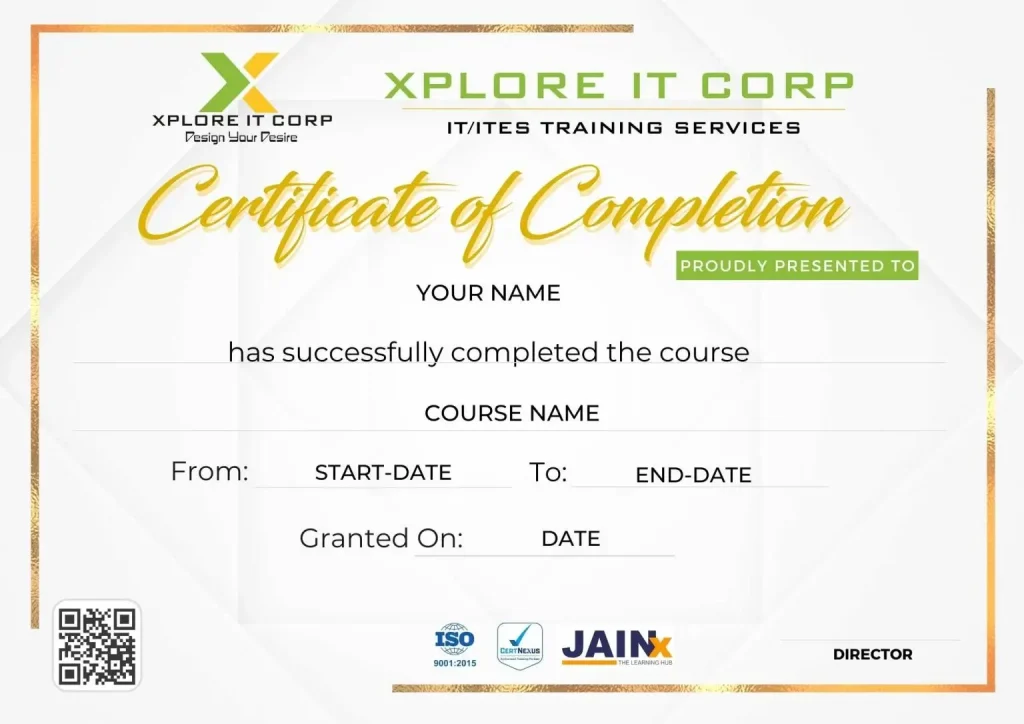
Receive a Python Full Stack certification after course completion to showcase your technical skills, project experience, and practical knowledge.
Upcoming Batches
Classroom Training – Learn. Practice. Excel.
- Learn directly from industry experts through practical classroom sessions, coding exercises, project development, and face-to-face mentorship.
- Live coding practice
- Real-time projects
- Interview preparation support
- Direct mentor interaction
Online Training – Learn Anytime, Anywhere
- Attend live online sessions from anywhere and gain practical Python Full Stack skills through interactive learning and project-based training.
- Live instructor-led classes
- Recorded session access
- Flexible learning schedule
- Doubt clarification sessions
Reach Us Now!
Learning outcomes of python full stack course:
Basic Concepts of Full Stack Development
Understand frontend and backend web development using Python, HTML, CSS, JavaScript, and databases to build complete web applications.
Frontend & Backend Development Skills
Learn technologies like React JS, Django, Flask, REST APIs, Bootstrap, and MySQL used in modern web application development.
Database & API Integration
Learn how to create databases, connect applications with APIs, manage data securely, and build dynamic applications.
Deployment & Version Control
Gain practical experience in GitHub, hosting, deployment basics, and server-side application management.
Problem Solving & Real-Time Projects
Improve coding, debugging, and logical thinking skills by working on practical projects and real-time case studies.
Syllabus of Python Full Stack Course:
- Introduction to Python Programming
- R or Python?
- Why Python for Data Science?
- Different job roles with Python
- Different Python IDEs
- Downloading and setting up the Python environment
- Python input and output operations
- Comments
- Variables, rules for naming variables
- Basic data types in Python
- Typecasting in Python
- Arithmetic operators
- Assignment operators
- Comparison operators
- Logical operators
- Identity operators
- Membership operators
- Bitwise operators
- Creating strings
- String formatting
- Indexing
- Slicing
- String methods
- Syntax to create tuples
- Tuple properties
- Indexing on tuples
- Slicing on tuples
- Tuple methods
- Accessing values in dictionaries
- Working with dictionaries
- Properties
- Functions
- The syntax for creating sets
- Updating sets, Set operations and methods
- Difference between sets, lists, and tuples
- The syntax for creating dictionaries
- Storing data in dictionaries
- Dictionaries keys and values
- Accessing the elements of directories
- Dictionary methods
- Setting logic with conditional statements
- If statements
- If-else statements
- If-elif-else statements
- Iterating with Python loops
- While loop
- For loop
- Range
- Break
- Continue
- Pass
- Enumerate
- Zip
- Assert
- Why List comprehension
- The syntax for list comprehension
- The syntax for dict comprehension
- What are functions
- Modularity and code reusability
- Creating functions
- Calling functions
- Passing arguments
- Positional arguments
- Keyword arguments
- Variable-length arguments (*args)
- Variable keyword length arguments (**kargs)Return keyword in Python
- Passing function as an argument
- Passing function in return
- Global and local variables Recursion
Lambda
- Lambda with filter
- Lambda with map
- Lambda with reduce
- Creating and using generators
- Creating modules
- Importing functions from a different module
- Importing variables from different modules
- Python built-in modules
- Syntax errors
- Logical errors
- Handling errors using try, except and finally
- Creating classes & objects
- Attributes and methods
- Understanding_init_constructor method
- Class and instance attributes
- Different types of methods
- Instance methods
- Class methodsStatic methods
- Inheritance
- Creating child and parent class
- Overriding parent methods
- The super () function
- Understanding types of inheritance
- Single inheritance
- Multiple inheritance
- Multilevel inheritance
- Polymorphism
- Operator overloading
- List Comprehensions
- Nested List Comprehensions
- Dictionary Comprehensions
- Tuples
- Creating packages
- Importing modules from the package
- Different ways of importing modules and packages
- Date module
- Time module
- Datetime module
- Time delta
- Formatting date and time
- strftime()
- strptime()
- Understanding the use of regex
- re.search()
- re.compile()
- re.find()
- re.split()
- re.sub()
- Meta characters and their use
- Opening file
- Opening different file types
- Read, write, close files
- Opening files in different modes
- Introduction
- Components and Events
- An Example GUI
- The root Component
- Widgets
- Buttons
- Introduction
- Hello World
- Major Classes
- Using Qt Designer
- Signals & Slots
- Layout Management
- Basic Widgets
- Drag & Drop
- Database Handling
- Introduction DB Connection
- Creating DB Table
- INSERT, READ, UPDATE, DELETE Operations
- COMMIT & ROLLBACK Operation
- Handling Errors
- GUI With Sqlite3
- Desktop Application
- PYTHON OTHER MODULES
- Random
- Turtle
- File Input & Output
- Time & Date etc.
- Introduction to Database
- SQL Sublanguages
- MySQL Operators
- Comparison Operators
- DDL:Alter and Rename
- String Functions
- Constraints
- Refining Selections and Working with MySQL workbench
- Working with Aggregate functions and SQL Files
- More on Data types
- MySQL Joins
- Introduction
- Socket – Introduction
- Clients and Servers
- The Client Program
- The Server Program
- Class and Threads
- Multi-Threading
- Threads Life Cycle
- Use Cases
- Introduction
- Learning Programming
- Text editors and IDEs
- Sublime Text
- PyCharm
- Jupyter Notebook
- Environment Configuration
- Virtual Environments
- Introduction
- Basic page structure
- Formatting page content
- Creating lists
- Structuring content
- Creating links
- Controlling styling
- Basic Scripting
- Getting Started
- CSS Core
- Flask Request Handling
- Jinja 2 Template Engine
- Dynamic Web Pages with flask-Jinja2
- Typography
- Layouts
- Login system with flask, Server side sessions
- CSS
- Files handling with Flask
- Advanced layout
- Introduction
- Basics
- Writing JavaScript
- Custom DevBlog Application
- Control flow
- Arrays
- Loops and Iteration
- Functions
- Essential JavaScript Built-in methods
- Writing JavaScript Advanced
- JavaScript and the DOM
- Es6 Concepts
- Deployment in Cloud
- INTRODUCTION TO DJANGO
- Django Installation
- Usage of Project in Depth
- Creating an Application
- Understanding Folder Structure
- Creating Hello World Page
- Database and ViewsStatic Files and Forms
- Adding Models
- Django Model Classes
- Manage.py Database Commands
- The Admin Interface
- The model API
- Save and Delete
- Database Relations
- React vs Traditional Web Development
- Setting Up React with Vite/CRA
- Understanding JSX and Components
- Functional & Class Components
- Props and State Management
- Event Handling and Forms
- Conditional Rendering and Lists
- React Hooks (useState, useEffect, useContext)
- React Router (Routing & Navigation)
- Context API & Global State Management
- Component Lifecycle
- CSS Modules, Styled Components
- Tailwind CSS / Bootstrap with React
- Material UI for Better UI
- Adding HTML form
- Using Django FormsFields Options
- Named Groups
- Named Groups in URL’s
- API and Security
- Django REST Framework
- Environment
- Routing
- Variable rule
- URL Building
- SQL Alchemy
- Set up a Python environment and install Django
- Create a Django Project
- Configure your Django application for Elastic Beanstalk
- Deploy your site with the EB Cli
- Update your application
Our Python Full Stack Course Trainer

Ms. INDHU SREE
Full Stack Python Expert | Software Development Trainer
Indhu Sree is a highly experienced Python full stack trainer with over a decade of expertise in software development education. Her training style is structured, hands-on, and designed to transform learners into confident developers capable of handling real-world projects.
13+ Years of Experience in IT Education & Training
200+ Batches Trained | 5,000+ Students Mentored
750+ Real-Time Projects Completed with Learners
Trainer for Premium Institutions & Corporate Teams
Technical Expertise
- Python, Django, Flask
- REST API Development
- MySQL, PostgreSQL
- Data Science Fundamentals
- Git & Version Control
- Web Automation / Scripting
Ms. INDHU SREE
Full Stack Python Expert | Software Development Trainer
Indhu Sree is an experienced Python Full Stack trainer with expertise in web application development, backend technologies, APIs, and database management. Her practical teaching methodology helps students gain real-world coding experience and industry-ready skills.
Indhu Sree is a highly experienced Python full stack trainer with over a decade of expertise in software development education. Her training style is structured, hands-on, and designed to transform learners into confident developers capable of handling real-world projects.
13+ Years of Experience in IT Education & Training
200+ Batches Trained | 5,000+ Students Mentored
750+ Real-Time Projects Completed with Learners
Trainer for Premium Institutions & Corporate Teams
Learning Experience
Training focuses on practical implementation, clean coding practices, real-time projects, and interview-oriented learning to help students confidently enter software development careers.
Placement session and Job Opportunity for Python full stack course:
1. Career Support & Guidance
- Xplore IT Corp offers comprehensive career support and guidance through our placement cell.
- Get complete placement assistance including resume building, LinkedIn optimization, aptitude training, and interview preparation sessions.
2. Mock Interview Practice
- Attend technical and HR mock interviews to improve confidence, communication, and problem-solving abilities.
3. Industry Recommendations
- Top-performing students receive interview opportunities and referrals to software companies and startups.
4. Professional Resume Support
- Create an ATS-friendly professional resume highlighting projects, technical skills, certifications, and practical experience.
Benefits of Python Full Stack Course Certificate:
The top Data Science course provider in Coimbatore, offering comprehensive placement guidance to ensure your success.
Industry-Recognized Certification
Showcase your Python Full Stack development skills with a professional certification valued by recruiters and IT companies.
Career Development
Improve your opportunities for roles such as Python Developer, Full Stack Developer, Backend Developer, and Software Engineer.
Long-term Validity
Use your certification to strengthen your resume, LinkedIn profile, and professional portfolio.
Easy To Verify & Share
Share your certification online and showcase your technical skills to recruiters and employers.
Practical Exposure
Gain real project experience through coding exercises, assignments, and live application development.
Companies our Students work In
Trained with real-time skills and practical knowledge, our students are now working with top organizations, driving growth and innovation across industries.

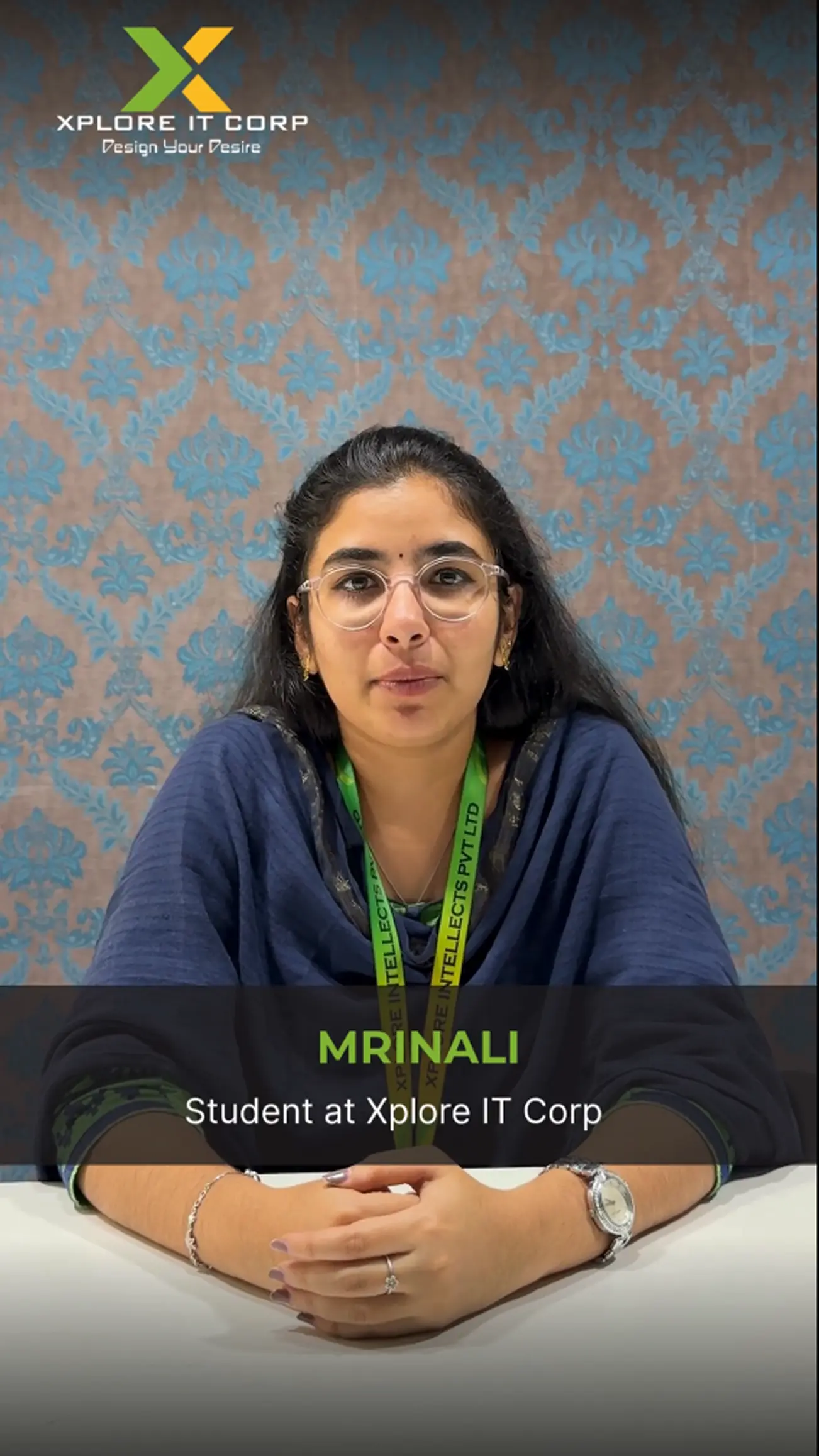
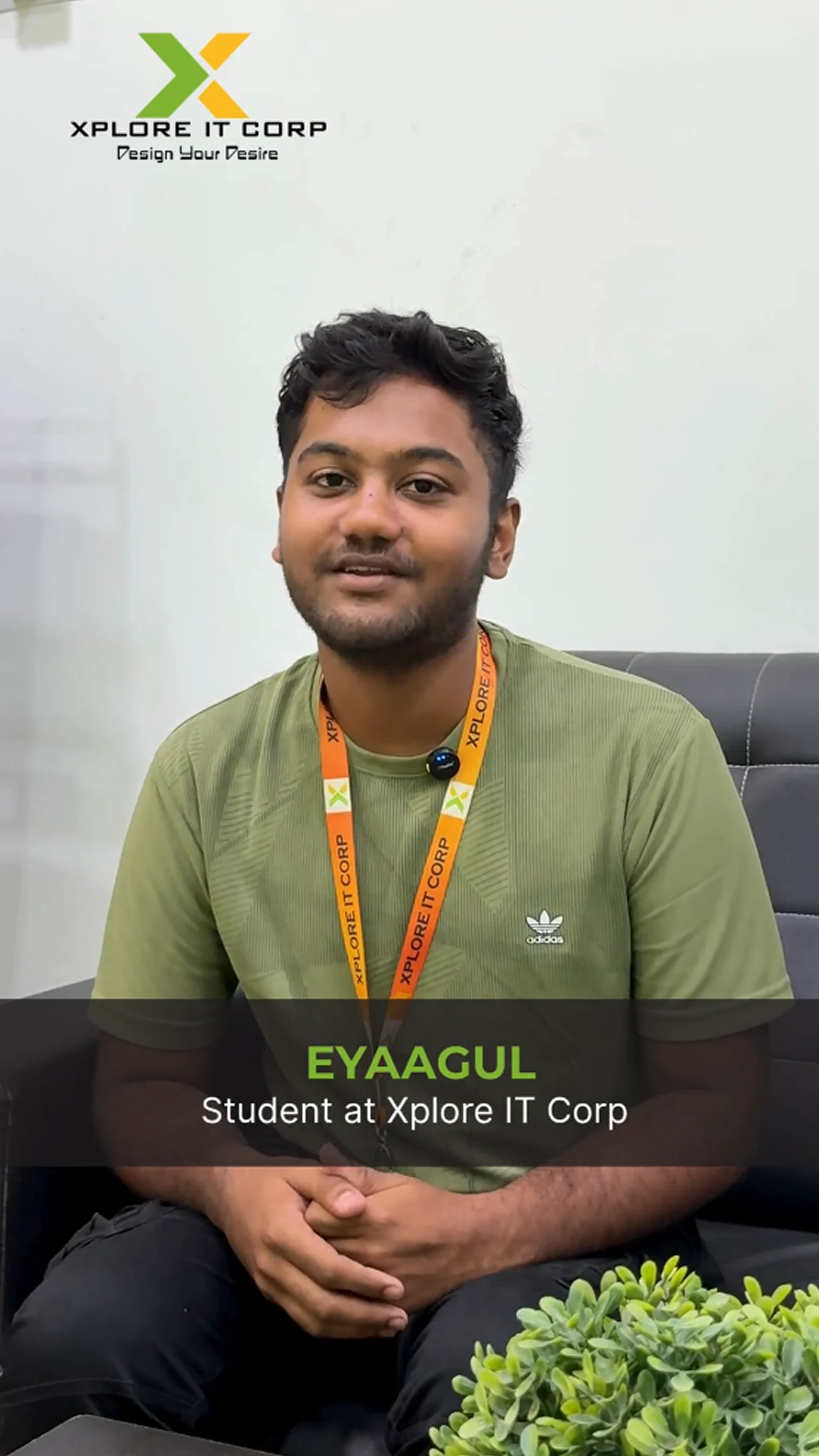
Voices of Our Graduates
From classroom to career success — read what our students and professionals have to say about their learning experience with us.


Benefits of Python Full Stack Course in Xplore IT Corp:
Job Opportunities:
Learn the technologies and practical skills required for modern software development roles.
Acquire Advanced Full Stack Skills:
Develop complete web applications using frontend, backend, APIs, and database technologies.
Possible Career Outcome:
Prepare for roles including Full Stack Developer, Python Developer, Backend Developer, and Software Engineer.
Develop a Professional Network:
Connect with trainers, developers, and fellow learners through workshops, projects, and training activities.
Experiential Learning:
Gain practical exposure through live coding sessions, assignments, and real-world projects.
Learning Support:
Get mentor support, coding guidance, doubt clarification, and project assistance throughout the course.
Reach Us Now!
Career Options after Completion of Python Full Stack Course
Full Stack Developer
- Build frontend and backend web applications using Python, Django, React, APIs, and databases.
- Key skills: Python, Django, React, HTML, CSS, JavaScript
- Salary: ₹5-12 LPA
Web Developer
- Develop APIs, databases, server-side logic, and application integrations.
- Key skills: Python, Django, REST APIs, MySQL
- Salary: ₹4–10 LPA
Backend Developer
- Backend Developers are responsible for the server-side of the application, which means they manage the database, API, and logic that brings the user experience to life. In other words, they manage the flow of data between the systems.
- Key skills: Python, Django, REST APIs, MySQL, PostgreSQL
- Salary: ₹4-10 LPA
Frontend Developer
- Frontend Developers are responsible for the part of the website the client sees and interacts with. Frontend Developers will take design ideas and convert them into interactive, responsive, and aesthetically pleasing user interfaces.
- Key skills:HTML, CSS, JavaScript, React, jQuery
- Salary: ₹3-7 LPA
Software Engineer
- Software Engineers are responsible for the design, prototype, and testing of software applications across multiple platforms. In developing systems they tend to use a stack of tools that are focused around Python that facilitate building scalable and efficient systems.
- Key skills: Python, Object-Oriented Design, Git, APIs, Testing Frameworks
- Salary: ₹6–14 LPA
Database Developer
- Database Developers design and manage databases that store, retrieve, and organize application-related data in a structured way. They ensure the systems remain fast and correct, no matter how complicated the query and/or how large the data transfer.
- Key skills: SQL, MySQL, PostgreSQL, Python, Data Modeling..
- Salary: ₹4–9 LPA
UI/UX Developer
- UI/UX Developers design user interfaces that are not only functional but are visually pleasing as well. They are focused on flow of navigation and ensuring user engagement progressively improves via design and usability efforts.
- Key skills: HTML, CSS, JavaScript, UI Design, Figma, and Responsive Design.
- Salary: ₹3–7 LPA
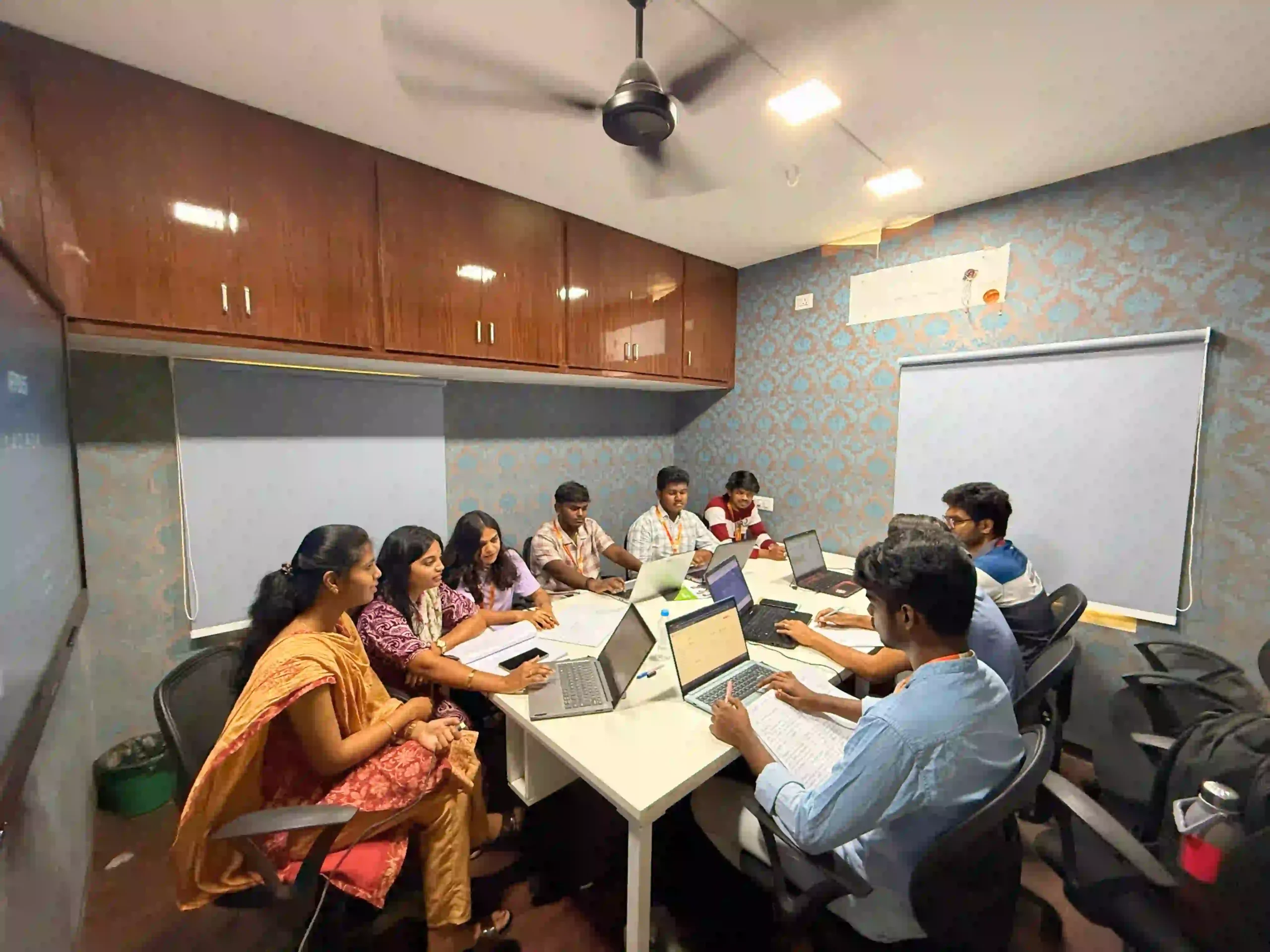
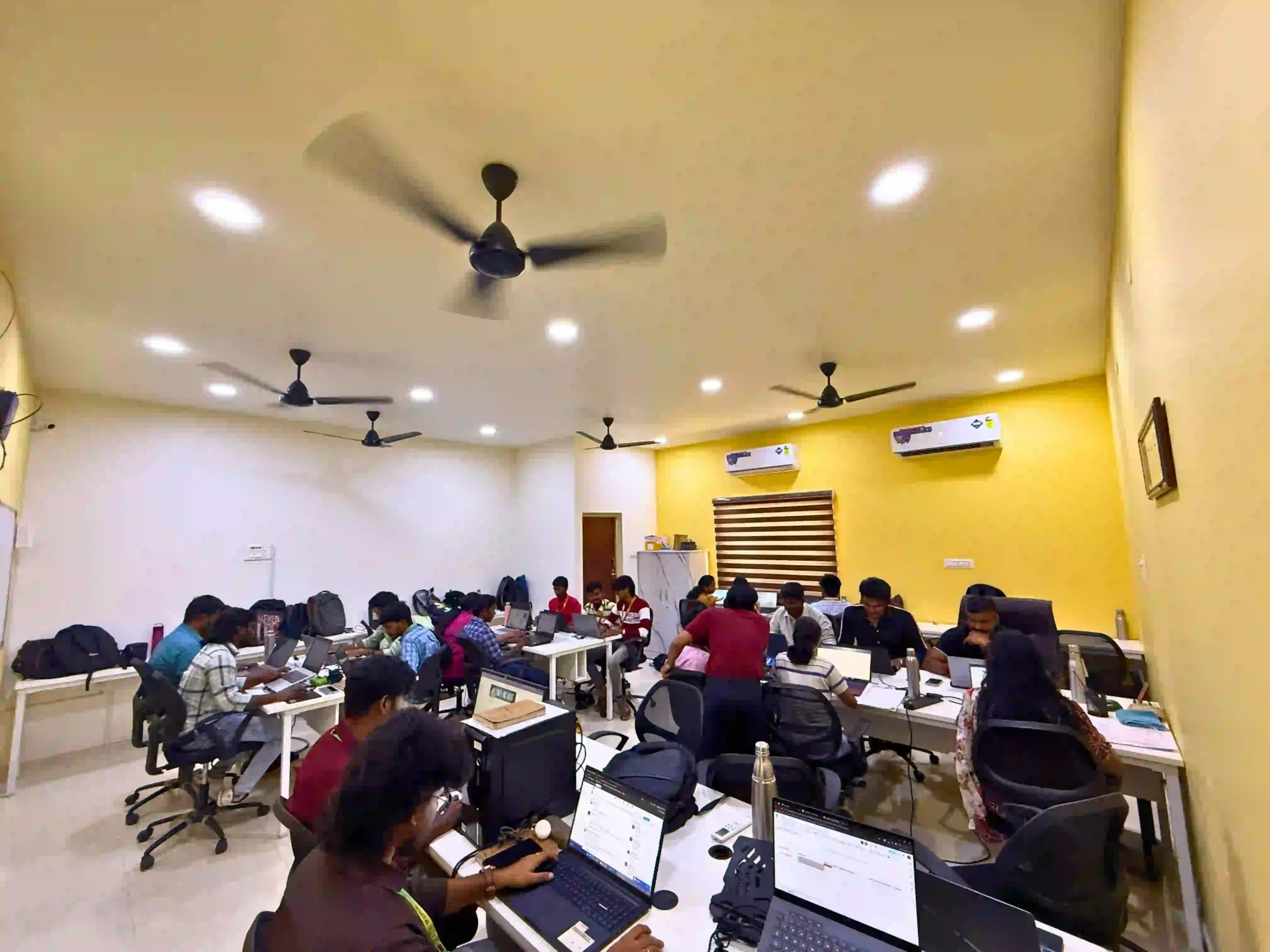
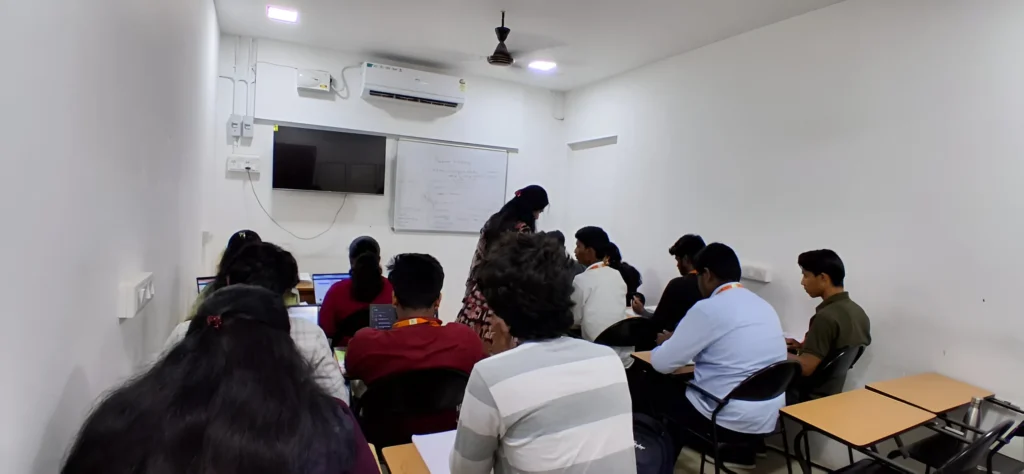
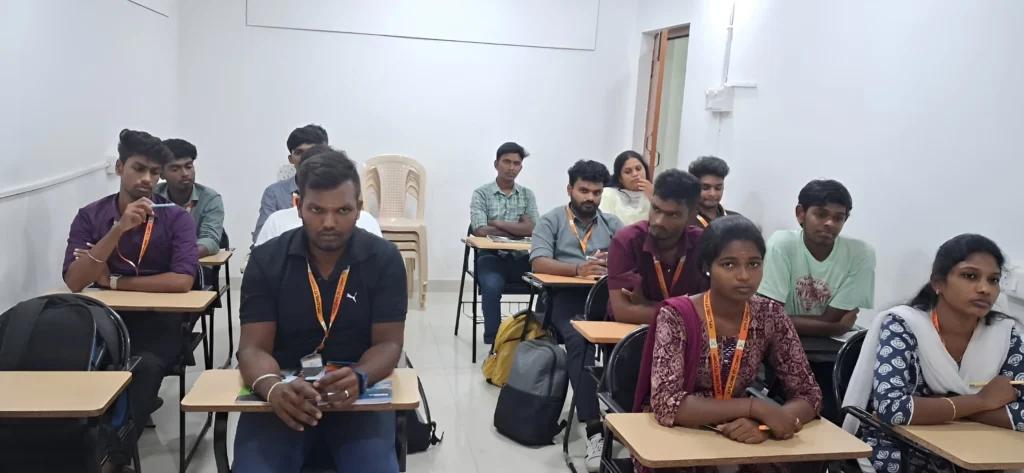
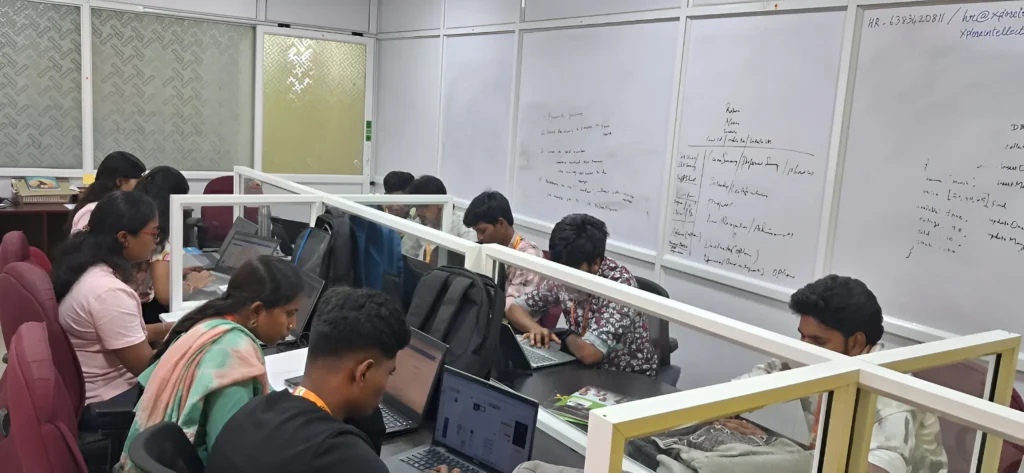
Our Placement Sessions
Frequently Asked Questions (FAQ)
Xplore IT Corp provides practical Python Full Stack training with real-time projects, expert trainers, and placement support.
Yes. Python is beginner-friendly and widely used in web development, automation, AI, and software applications.
The course covers Python, Django, HTML, CSS, JavaScript, React, MySQL, APIs, Git, and deployment basics.
No. Beginners without prior programming knowledge can also learn Python Full Stack development.
Freshers can earn around ₹3–6 LPA depending on skills, projects, and company requirements.
Yes. Students work on practical web development projects and real-time application development exercises.
Students can continue learning advanced technologies such as artificial intelligence, data science, cloud computing, or digital marketing based on their career goals.